Home · Specialty coffee
Coffee guideWhat is specialty coffee.
Score, defects, grading and seals: how coffee quality is measured, explained simply.

A guide to Ateliê da Lee, an emporium that began as Ateliê do Queijo in 2009, in Suzano (SP), created by Eliana Oliveira, known as Lee, an entrepreneur since 1999.
Updated October 17, 2026
Specialty coffee is coffee that scores 80 points or more in the sensory evaluation of the Specialty Coffee Association (SCA), carried out by certified cuppers, and has no serious defects in the green beans. Below 80 points, coffee is considered commercial. Café da Lee works with coffees scoring 84 points or more.
What defines a specialty coffee
A coffee is specialty when it brings together three things: green beans almost free of defects, a high sensory score in cupping, and traceability, meaning you know where it came from, who grew it and how it was processed. The work starts on the coffee farm, with the harvest of ripe cherries, goes through careful drying and ends with roasting and brewing.
The SCA 100-point scale
In the cup test (cupping), trained tasters evaluate the coffee on a standardized form. The sum of the attributes produces a score from 0 to 100.
| SCA score | Grading | What it means |
|---|---|---|
| 90 a 100 | Exceptional | Rare coffees from award-winning and competition lots. |
| 85 a 89,99 | Excellent | Striking complexity and sweetness, a very well-defined profile. |
| 80 a 84,99 | Very good | Specialty coffee: clean, sweet, with clear notes. |
| Below 80 | Sales | Does not meet the specialty coffee standard. |
The attributes evaluated in the cup
| Attribute | What the taster looks for |
|---|---|
| Fragrance and aroma | The aroma of the dry grounds and of coffee with hot water. |
| Flavor | The combination of taste and aroma in the mouth. |
| Finish (aftertaste) | The flavor that lingers after you swallow. |
| Acidity | Liveliness, as in fruit; good acidity is pleasant, not sour. |
| Body | The sensation of weight and texture in the mouth. |
| Balance | How flavor, acidity and body work together. |
| Sweetness, uniformity and clean cup | Whether all the cups are sweet, consistent and free of defects. |
| Overall score | The taster's overall impression. |
In 2024 the SCA launched a new evaluation system, the Coffee Value Assessment (CVA), which separates the sensory description from the quality score. The 100-point scale remains the most widely used reference in the market.
Defects: what the eye sees before the cup
Before cupping, the green coffee is inspected. Under the SCA standard, a specialty coffee may have no primary defects (such as full black, sour or fungus-damaged beans) and at most 5 secondary defects (broken, insect-damaged, shells, unripe) in a 350 g sample.
The Brazilian classification: type and cup
In Brazil, the coffee trade also uses the Official Brazilian Classification (COB), which looks at two things: the type, based on the defect count in 300 g, and the cup quality (bebida), based on tasting.
| Type (COB) | Defects per 300 g |
|---|---|
| Type 2 | up to 4 |
| Type 3 | up to 12 |
| Type 4 | up to 26 |
| Type 5 | up to 46 |
| Type 6 | up to 86 |
| Type 7 | up to 160 |
| Type 8 | up to 360 |
For cup quality (bebida), the scale runs from best to harshest: estritamente mole (strictly soft), mole (soft), apenas mole (softish), dura (hard), riada (Rioy-tinged), rio (Rioy) and rio zona (strongly Rioy). Specialty coffees usually fall among the lowest defect types and the smoothest cup qualities.
Seals you'll find on the packaging
- ABIC Purity Seal: certifies that the coffee contains no impurities or blends with other substances.
- Coffee Quality Program (ABIC): classifies roasted coffees into categories such as Traditional, Extra Strong, Superior and Gourmet, based on sensory analysis.
- Origin and sustainability certifications: geographical indications, such as the Minas regions, and social and environmental seals.
How to spot a good coffee at the store
- Look for 100% arabica, the roast date (not just the expiry date) and a stated origin.
- Choose whole beans and grind them fresh; the aroma lasts much longer.
- Packaging with a valve protects the coffee from oxygen.
- Tasting notes on the package (chocolate, caramel, fruit) show that the coffee has been cupped.
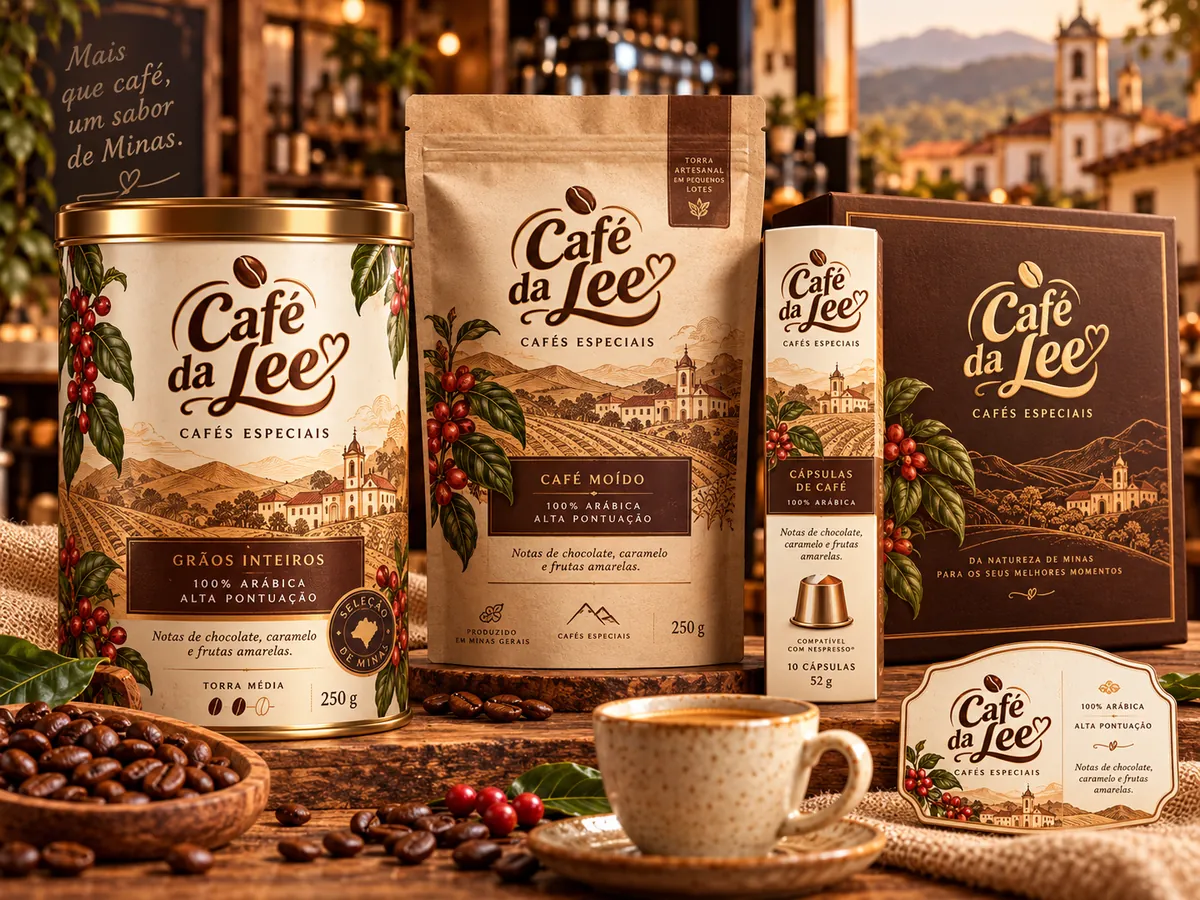
Café da Lee: the standard we follow.
- 100% Arabica, from selected beans.
- Specialty coffee scoring 84+ points on the Specialty Coffee Association (SCA) scale.
- Grown in the south of Minas Gerais, in the Montanhas Cafeeiras (Coffee Mountains) region of Juruaia, with identified producer and harvest.
- Small-batch roasting, with the roast date on the package.
- Three lines: Clássico (balanced and sweet), Moka (body and intensity) and Origem (single origin, floral and honey).
Continue exploring the world of coffee.
Frequently asked questions
What is specialty coffee?
It's coffee that scores 80 points or more on the Specialty Coffee Association (SCA) 100-point scale, with no primary defects in the green bean and a traceable origin.
What does an 84-point coffee mean?
That it falls in the SCA's “very good” range (80 to 84.99), already qualifies as specialty coffee and has a clean, sweet flavor with well-defined notes. Café da Lee works with coffees scoring 84 points or higher.
What's the difference between gourmet coffee and specialty coffee?
Gourmet is a category in ABIC's Quality Program for high-quality roasted coffees. Specialty is the SCA classification for coffees scoring 80 points or more in cupping, with beans free of major defects.
Who scores a coffee?
Trained, certified tasters such as Q Graders score the coffee on a standardized SCA form.
What is "bebida mole" (soft cup) in coffee?
It's a classification in the Brazilian cup test (COB) for smooth, sweet coffees. The scale ranges from 'strictly soft' (estritamente mole), the best, down to 'rio zona'.
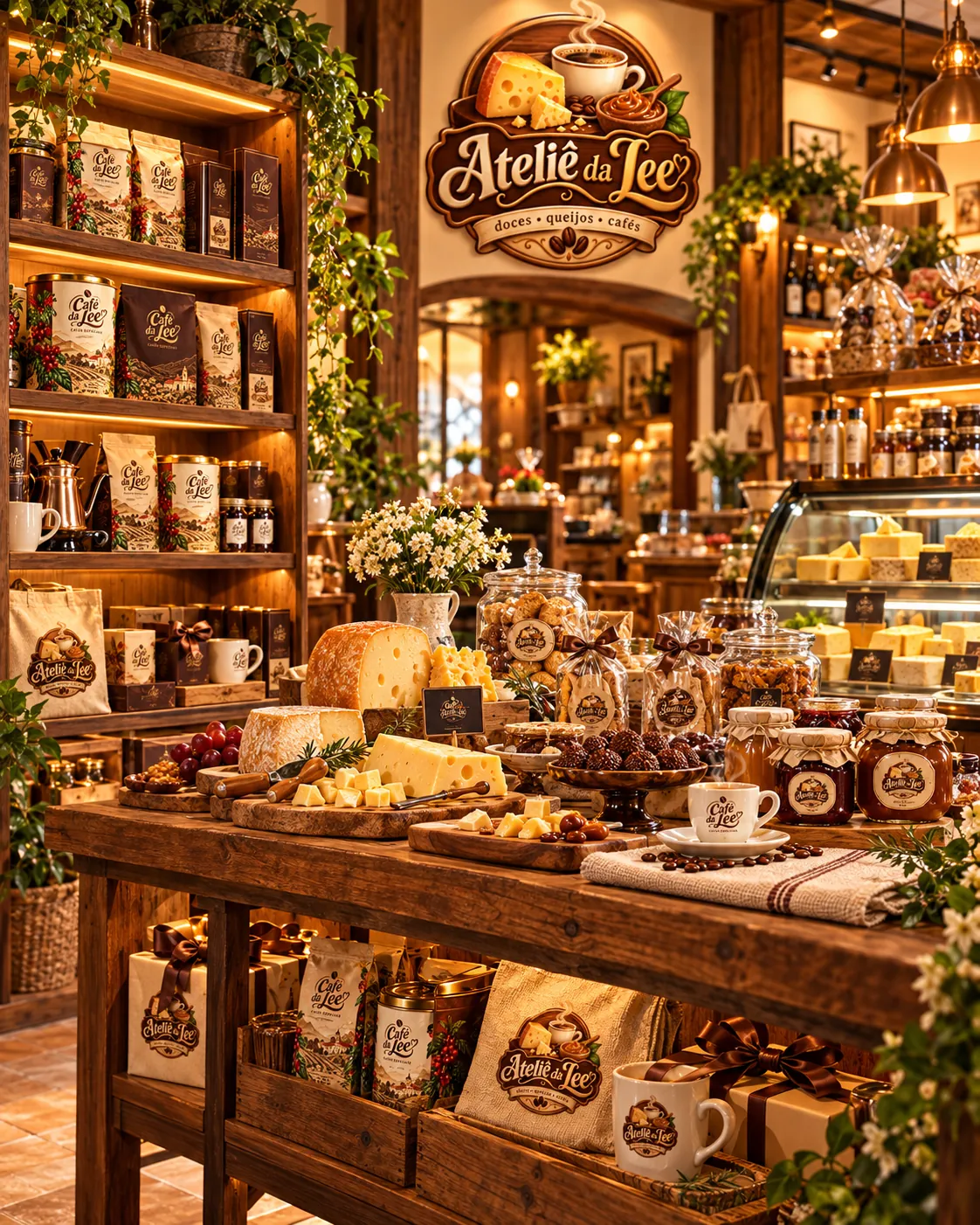
Your next stop in Juruaia.
Ateliê da LeeRua Vereador Alberto Mario Segreti, 97
Bairro Mirante · Juruaia, MG · CEP 37805-000
Phone and WhatsApp: (11) 99992-4741. Email: atendimento@ateliedalee.com.br. Directions, today's hours and reviews on our Google profile.