Home · History of Juruaia
Juruaia · Minas GeraisThe history of Juruaia, from Barra Mansa to the Lingerie Capital of Brazil.
How a village around a chapel became a coffee town and, later, one of Brazil's largest intimate apparel hubs.

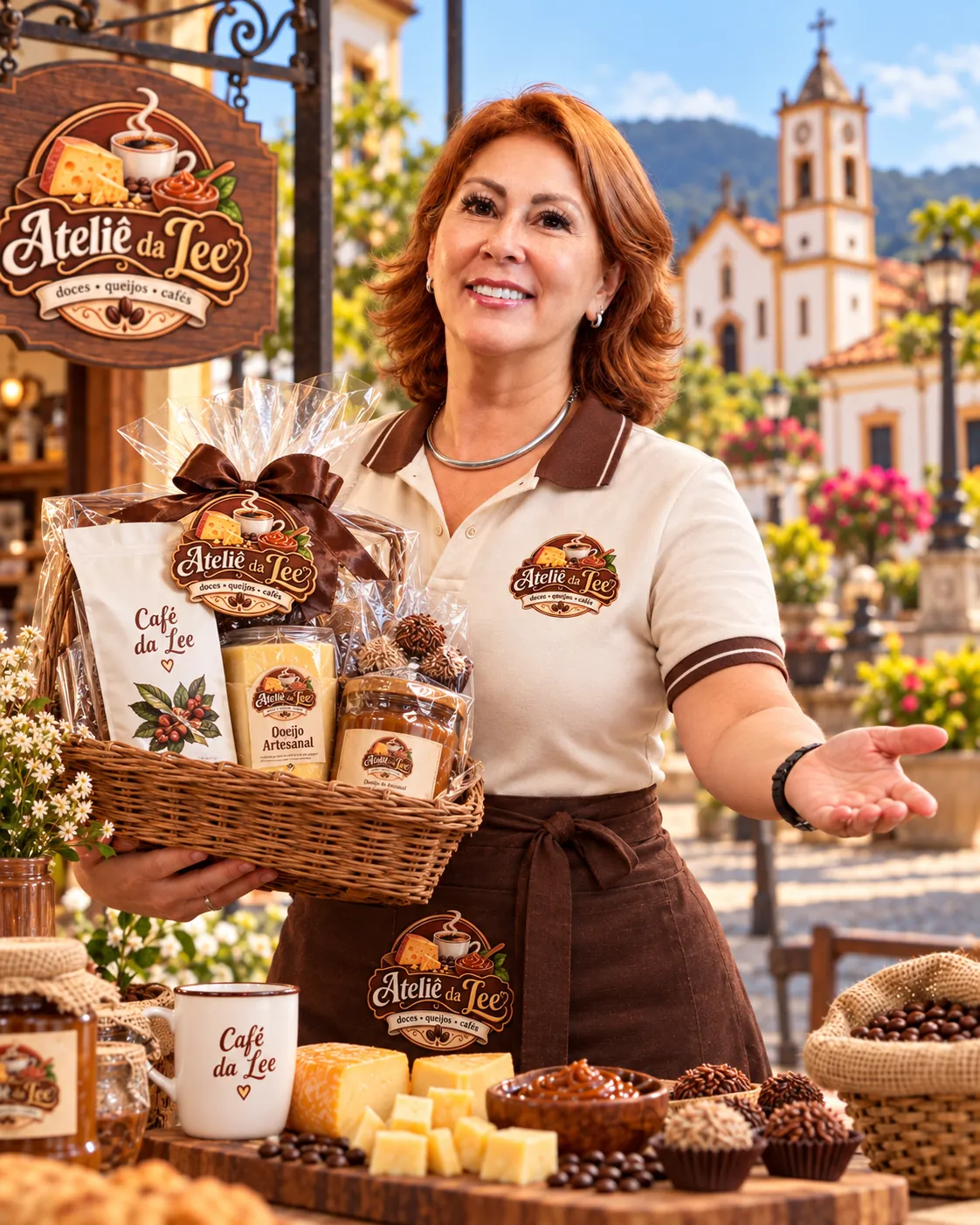
A guide to Ateliê da Lee, an emporium that began as Ateliê do Queijo in 2009, in Suzano (SP), created by Eliana Oliveira, known as Lee, an entrepreneur since 1999.
Updated October 17, 2026
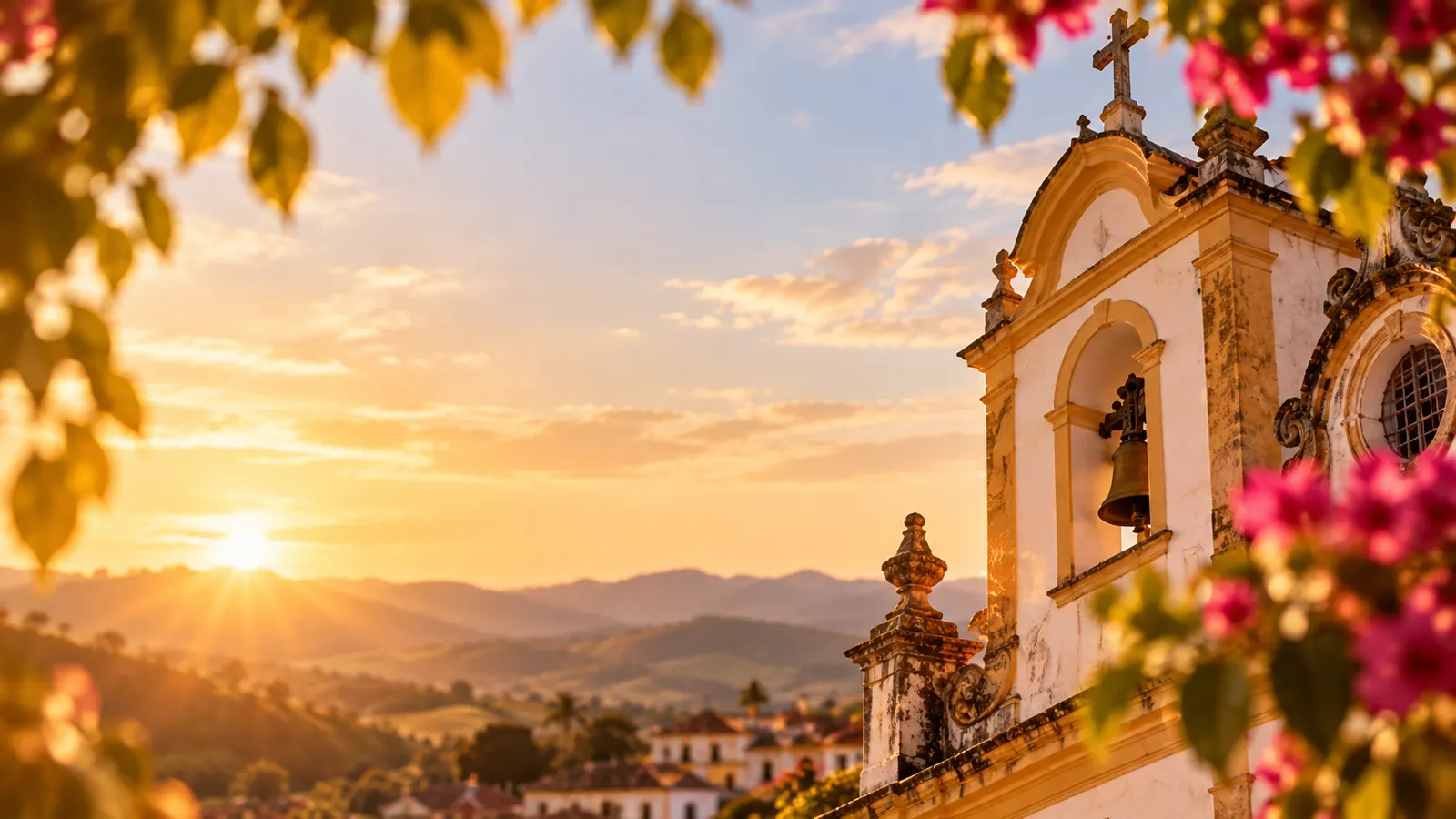
Juruaia began as the settlement of São Sebastião da Barra Mansa, on land donated to the church around 1898. It became a district of Muzambinho in 1901, took the name Juruaia in 1923 (Tupi for "gentle river mouth", barra mansa) and was established as a municipality on January 17, 1949. It grew with coffee and, since 1992, has become the Lingerie Capital of Brazil.
In short: Juruaia began as the village of São Sebastião da Barra Mansa, formed in the late 19th century on land donated to the church around 1898. It became a district of Muzambinho in 1901, took the name Juruaia in 1923 (the Tupi translation of “barra mansa”, or gentle river mouth) and became a municipality in 1948, formally installed on January 17, 1949. It grew with coffee and, since the 1990s, has been known as the Lingerie Capital of Brazil.
From village to town.
- 19th century
The first settlers
As gold grew scarce in the mining regions, prospectors and squatters arrived in the area. Then came Portuguese, Spanish and Italian settlers and, above all, Syrians.
- 1898
The chapel of São Sebastião
Francisco Antônio de Melo donates land to the parish estate of São Sebastião. Around the chapel, the village of São Sebastião da Barra Mansa is born.
- 1901
District of Muzambinho
State Law No. 146 creates the district of São Sebastião da Barra Mansa, under Muzambinho. In 1912 the post office arrives.
- 1923
The name Juruaia is born
State Law No. 843 changes the name Barra Mansa to Juruaia, which in Tupi means the same thing: barra mansa ("gentle river mouth").
- 1942
The parish
The Diocese of Guaxupé creates the parish of São Sebastião.
- 1949
Emancipation
Created by Law No. 336 of December 27, 1948, the municipality of Juruaia was established on January 17, 1949.
- Coffee
Land of coffee farms
Coffee becomes the backbone of the economy. Even today it takes up about 89% of the municipality's harvested area and accounts for about 98% of the value of its agricultural production (IBGE, PAM 2025).
- 1992
The first lingerie workshops
The first intimate apparel manufacturers that would change the city get started.
- Today
The Lingerie Capital of Brazil
About 400 garment makers, thousands of jobs, fairs such as the Outlet, Felinju and Festlingerie, and a strong hallmark: most companies are run by women. About 11,000 residents (2022 Census).
Do you have an old photo of Juruaia?
We are gathering images and stories from residents for the Sabores de Juruaia collection and for this website. Photos of the town square, the church, the coffee harvests and the first sewing workshops.
Share on WhatsAppAn entrepreneurial town, just like her.
Juruaia turned sewing machines into a national hub, with women at the head of most companies. It's the same energy that has driven Lee since 1999, when she founded her distribution company: doing business with courage, organizing, developing people and growing.
It is also a town of coffee, quitandas (homemade baked goods) and generous tables. Everything Ateliê da Lee, Café da Lee and Doces da Lee want to share with the world.
Juruaia is the beginning of a new chapter. A town we want to help build.
Sources: IBGE, municipal history · IBGE Cidades · Smargiassi · Diário do Comércio.
Questions about Juruaia's history
What was Juruaia's former name?
The village was called São Sebastião da Barra Mansa. The name Juruaia was adopted in 1923, by State Law No. 843.
What does the name Juruaia mean?
According to IBGE, Juruaia comes from Tupi-Guarani terms that translate the town's old name, Barra Mansa: "juru" (calm) and "aia" (river mouth).
When did Juruaia become a municipality?
The municipality was created by State Law No. 336 of December 27, 1948, separated from Muzambinho, and established on January 17, 1949.
Who founded Juruaia?
Francisco Antônio de Melo is cited as the founder. Around 1898, he donated land to the parish estate of São Sebastião, around which the village grew.
Who is Juruaia's patron saint?
São Sebastião (Saint Sebastian). The parish was created by the Diocese of Guaxupé on March 19, 1942.
Why is Juruaia the Lingerie Capital of Brazil?
The first intimate apparel workshops appeared in the early 1990s. Today the town is home to about 400 garment makers and welcomes buyers from all over Brazil.
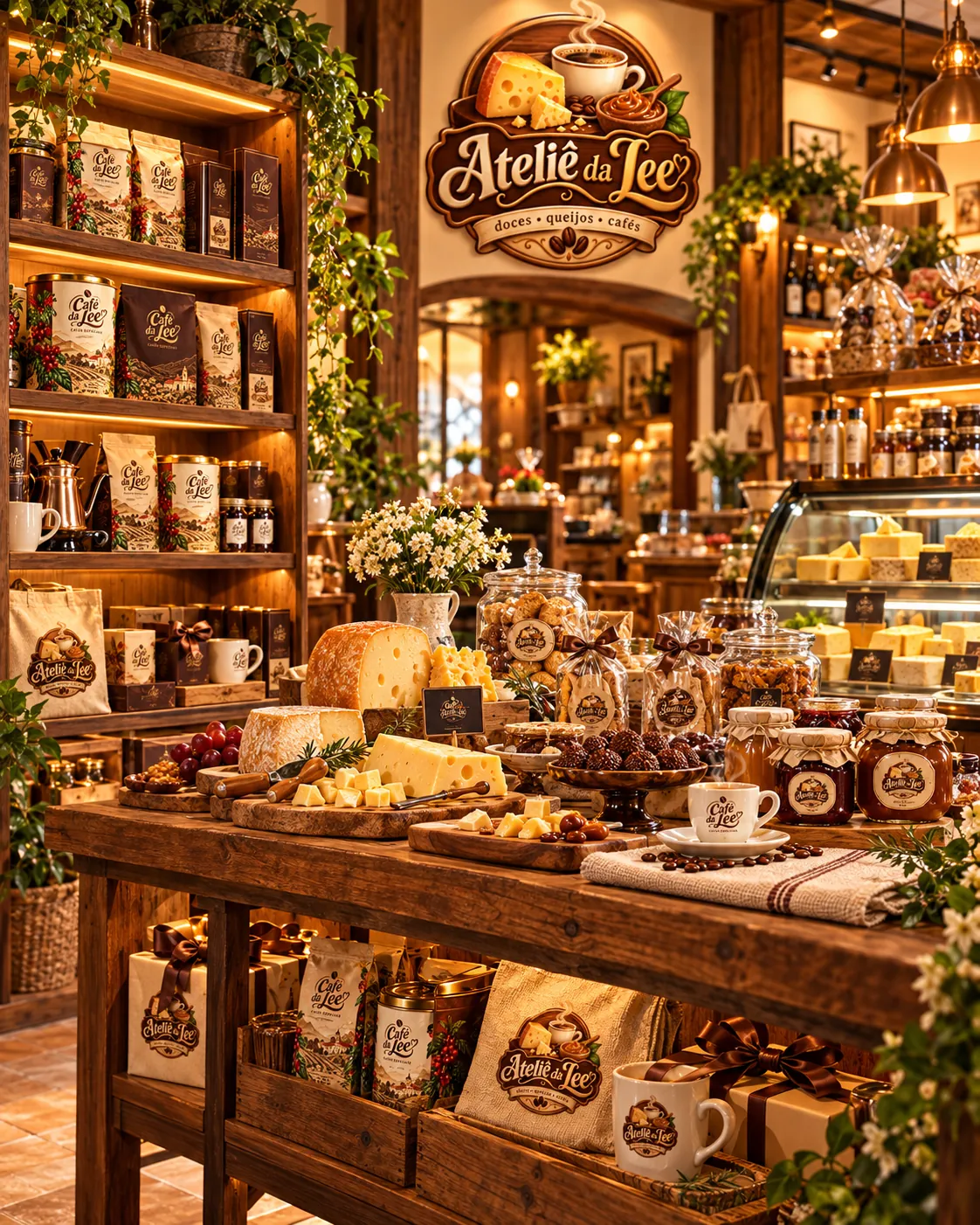
Your next stop in Juruaia.
Ateliê da LeeRua Vereador Alberto Mario Segreti, 97
Bairro Mirante · Juruaia, MG · CEP 37805-000
Phone and WhatsApp: (11) 99992-4741. Email: atendimento@ateliedalee.com.br. Directions, today's hours and reviews on our Google profile.